 Itamar Assaf
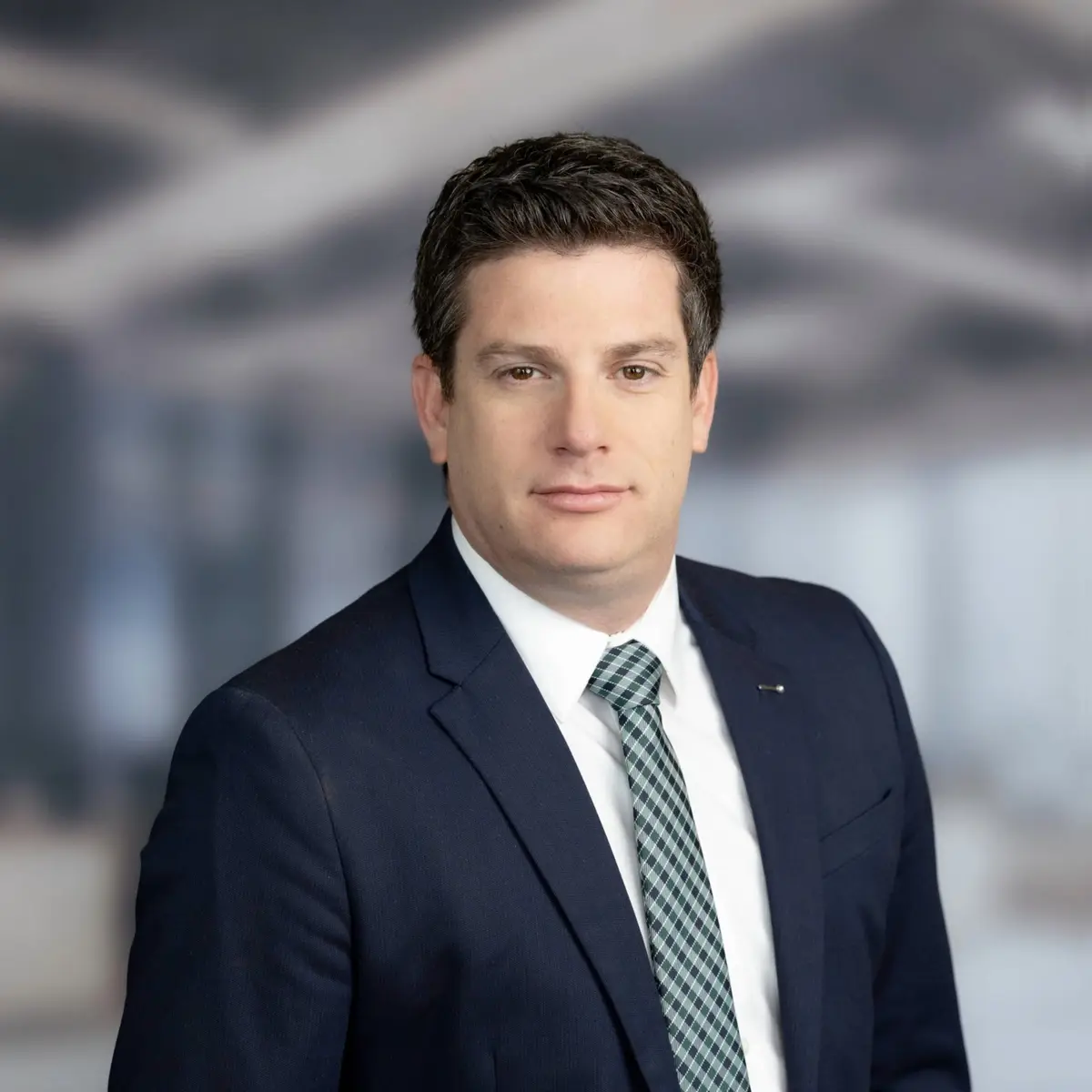
After about 150 straight days of combat, while holding a senior government role at the same time, Omri Attar reached a point many Israeli reservists know well. Huge impact out there, and a home left behind.
For him, the question of reserve duty and career was also a question of family. "The main consideration? Family. My wife, our relationship, my parenting, my bond with the kids. All of these were badly hurt during that period, and we decided to fix it."
Today Omri, 40, lives in Newton, near Boston, with his wife and their three children. He is Deputy CEO of AJMA, the American Jewish Medical Association, and a senior fellow at the Cohen Center at Brandeis University, where he researches and writes about leadership and public service.
From a 2014 war room to a two-person organization
Before public service, during the 2014 Gaza war, Omri set up a public diplomacy war room at Reichman University that coordinated all the volunteer activity. "We reached hundreds of articles and stories, and what was created there was translated into dozens of languages."
From there he approached ELNET, an organization working to strengthen relations between Israel and Europe. At the time it had two people in Israel and a similar number in France. What surprised him most was the speed: "You can sometimes move state-level processes forward within a week."
Omri stayed for a decade, grew the organization by about 500% and recruited dozens of people, rising to Global COO and Acting CEO.
The mistake worth its weight in gold: price yourself
His way into ELNET started with Israeli chutzpah. Omri simply went to the CEO and told him he could be a great addition to the team. The mistake, he says, was the rest of the sentence: he offered to do it as an unpaid intern.
"That was completely unnecessary. People who are good at something need to know how to price themselves and know what they're worth." Ever since, in every hire he made, he put things on the table and asked people to be as direct with him as he was with them.
A leader's job is to make decisions
As Acting CEO, Omri kept his COO responsibilities too, which sometimes blurred the decision-making chain. He always preferred interpersonal leadership over rank or authority. But there he learned something important.
"Some people need to accept your authority, and you can't always try to explain every decision and build consensus. Anyone who avoids making decisions, especially in a senior role, fails their role."
Money talks: how the Europe Forum was built
While also representing a philanthropic foundation, Omri noticed that many organizations it funded were working toward the same goals, each on its own. He asked the head of the foundation directly whether that wasn't a waste of money.
The answer was an offer: "If you manage to connect organizations, I'll double the donation to the ones that work together." That is how the "Europe Forum" was born, bringing together pro-Israel organizations across the continent. "The number of decision-makers is limited. If different organizations approach the same people, you split their attention and things move slower."
Sow now, reap in a decade
When Omri talks about building trust with foreign governments, he quotes Psalms: "Those who sow in tears will reap with songs of joy." Many of his friends now in senior roles in Israel and abroad met him when they were still students or early in their careers. "It's not because I met them once they were already in the role. The opposite."
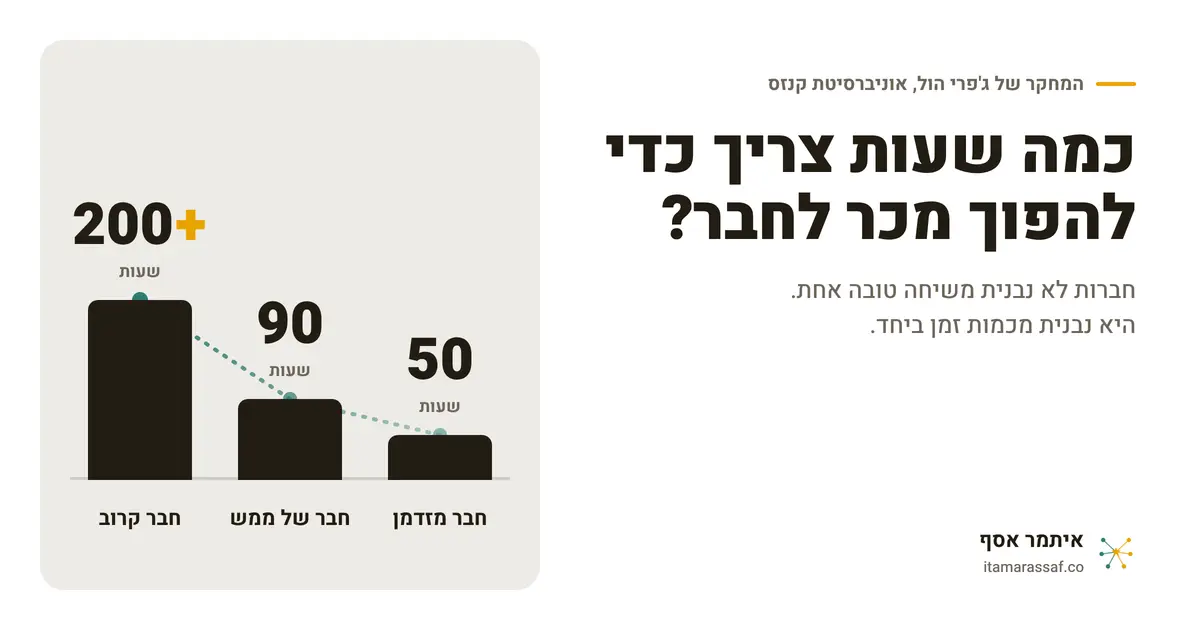
That is exactly the difference between miners and farmers, and between a quick connection and hours that add up to trust.
Reserve duty and career: 150 days and one decision
Moving to the US had been on the family's mind for a while. After a decade at ELNET they planned a sabbatical, but then came an offer to join the Ministry of Diaspora Affairs as the Director General's chief of staff, and the move was postponed.
On October 7, public servants were allowed to serve in the reserves at the same time. "I'd finish an operation, drive to the office in Jerusalem and head back south. I was barely home." After about 150 days in a row, including as a deputy commander in the reserves, an offer came to study at Harvard on a fellowship. After a few days of thinking it through together, they decided to go.
And what doesn't he bring from the army into the office? "Leave the military service in the military, and show up at work as yourself, not the soldier in you."
Building a network from scratch in Boston
After 20 years of reputation in Israel and Europe, Omri arrived in a market where few people knew him. "I really treated it as a job. Every week I had meetings with people I didn't know."
His formula is simple and direct: put on the table what he's looking for, and where he can help them too. "I never demanded anything, but I was very direct." It echoes how Israeli businesses enter the US market: through people, not decks.
A hybrid career, by choice
The senior role at AJMA alongside research and writing is no accident. "It's a completely conscious choice. I'm in this world by choice, I didn't just end up here." That is a portfolio career in the full sense: management, research and leadership development, each feeding the other.
About his Harvard degree, he calls it 50/50: half for the courses, half for the network. And he urges anyone even thinking about it to apply. "I finished high school without a matriculation certificate. Everything pointed to me never studying at a university. Once I flipped that switch in my head, I focused on why yes."
The versatile leader
The field Omri researches is called constructive leadership. "If everyone agrees, there's nothing to build." He draws on the Jewish tradition of chavruta, two people arguing and learning from each other, and is now developing a new concept: "the versatile leader," who adapts to the people they lead and never stops learning. His next project is a book about it.
His advice to senior Israelis arriving in the US: "Humility and modesty. We still have a lot to learn, even when we're 80."
What Omri is looking for from the community
Omri would be glad to meet people from any field, and mostly to hear what isn't written on LinkedIn: management and leadership challenges, and how people handle them at work. He is especially looking to connect with people from the Jewish communal world, the nonprofit and public sectors, and anyone who simply wants to do good in the world.
More conversations like this one: all interviews and articles from the Lost in Y blog.