 Itamar Assaf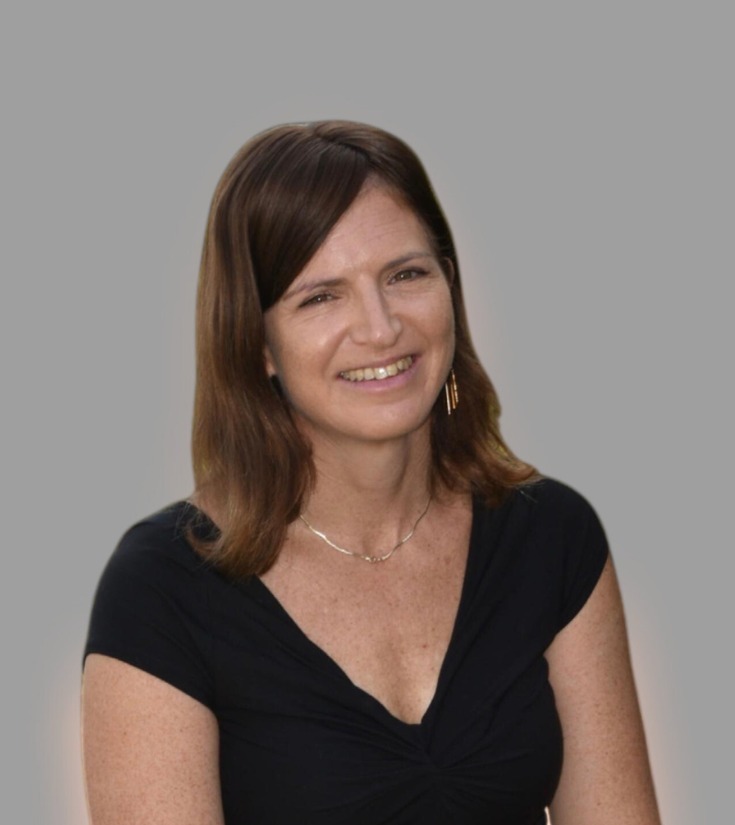
VP of R&D in the defense industry, 13 years at the same company, 30 engineers reporting to her. From the outside, it looks like the place you stay until retirement. Zohar Noy left it at 46, and not for another senior role, but to rebuild herself from scratch. A career change before 50 sounds like a crisis. In her case, it looks like four hats built one after another, and she still says she started too late.
The Golden Cage, and Why It Took a Year to Leave
Zohar Noy, 47, is married to Nimrod, a mother of four, and lives in Moshav Masgav Dov near Gedera. A master's in physics from the Weizmann Institute, radar systems engineer, manager of some 30 engineers on strategic systems, and finally VP of Development at Elta. "I loved the role, the people I worked with, the people I managed," she says. "The understanding that I needed to move on seeped in back in the middle of Covid."
More than a year passed between that understanding and actually leaving. What tipped it was a job offer somewhere else that felt right, not a jump into the void. Full independence came only later, after a less positive experience at her last organization: "I came to the conclusion that I want to manage my own time and choose the people I work with." As an employee, she says, she felt financially safe, but on some days she felt like she was walking into a battlefield every morning.
Status is what challenges her again and again. The title she gave up, the need to define herself differently, and the drop in salary, at least temporarily, which bruises the ego. Her answer to herself is constant: "This is a long-distance run, and I'm exactly where I need to be today."
Four Hats That Didn't Appear Suddenly at 47
Zohar's portfolio career wasn't planned. "Every project I do today was built over the course of my career and my personal life. It didn't suddenly appear at 47." The connecting thread is a single one: identifying the places where her ability to lead change is needed and meaningful.
The first hat is technological, consulting on development processes and project management after more than 15 years managing complex systems. "I know how good I am at what I do. I'm not ready to give that up yet."
The second is mentoring women and women managers in tech. It starts with advanced physics in high school, when there were two girls in the class, and runs through degrees, the defense industry and R&D management, all of it in a very male world. What she learned there, she wants to pass on.
The third is a seat on the local council plenum. It was never a dream, but after seven years leading the school's parents' committee, one formative event and a local election, she decided it was time to take the reins. The fourth is a social venture to integrate young people who completed basic training at Chavat HaShomer into employment, closing the loop on her own military service there, launched through the Menomadin-Peres executive program. The war halted the work plan, and now she's going back to push it forward.
How to Build a Portfolio Career, and When to Start
Zohar's tips for anyone wanting a second anchor are short. Time and patience, because time is what lets you meet people, try and fail until you land in the right place. Finding your unique value, choosing things you can point to easily. And starting with one thing before moving on, especially when the hats differ as much as hers do.
The strongest question in the conversation came from the audience: was there a wow moment, and in hindsight, would you have started earlier? Her answer was the most candid of the interview: "I didn't start on time. I was kind of thrown into it, even though I knew it was what I wanted to do. The right way is to start when you have a financial and professional anchor in the first stage."
That's the point I come back to in every conversation like this. The anchor can be a half-time consulting contract, a project for a few months, past clients, or simply a financial cushion for the months you know you'll earn less. People who reach 45-plus in a senior role sometimes arrive a little tired, and it's better to have the infrastructure built before then. Zohar agreed, and added one sentence: "Unfortunately, I got this advice too late."
The Financial Fruits, and Why She Isn't Looking for a Finish Line
Another audience question was direct: when does it show up in the money? Zohar didn't dress it up: "I believe deeply in my path, but I understand that success this way can take time. I want to hope that within a year I'll be back at the salary level I'm used to, but it's also possible I'm being optimistic."
She also isn't looking for a finish line: "I haven't arrived anywhere. I'm at the peak of doing. I'll always look for the next place where I want to be meaningful." The challenges of independence, self-marketing and finding clients, are skills she never needed as an employee, and she sees them as personal and professional growth, not a price. The burnout doesn't come from the work itself, but from staying somewhere you didn't choose.
Women at the Decision-Making Table
Asked whether she experienced discrimination in the defense industry, Zohar answered without drama: "I advanced by being professional, voicing my opinion and not being afraid to be assertive. On my path I didn't feel discrimination, but there are many men who struggle to work with assertive women. You have to learn to work with them the right way so you don't run into resistance."
Her advice to women managers arriving at the table: it all starts with self-knowledge, identifying your strengths and your blockers. When we know who we are and what value we bring, it's easier to hold our ground. Combined with confident speech, no apologies, and personally acknowledging our successes. Not by coincidence, when asked which single hat she would keep from her entire portfolio, the answer was mentoring women.
What Zohar Is Looking For From the Community
Zohar's ask of the Lost in Y community comes in three parts. Managers who want to prepare talented women in their organization for their next role, or help women managers deal with leadership challenges. Leaders at technology companies who understand the need to build proper infrastructure and development processes, and see the value in bringing someone external in to do it. And donors or nonprofits who want to partner in launching the pilot of the Chavat HaShomer venture. If one of those is you, now is the time to write to her.