 Itamar Assaf

In an era when "job hopping" (switching companies and roles every two or three years) has become the unofficial standard of the tech industry, Marina Risher's story sounds almost like an anachronism, or science fiction.
Marina made aliyah to Israel in the 90s, started out at AudioCodes as a junior software engineer, and today, more than 25 years later, she's still there. But don't be fooled, she has been anything but stagnant. Across that quarter century Marina reinvented herself again and again, and today she practices what's called the hybrid professional model firsthand: she serves as a senior product manager in the red-hot field of Voice AI at AudioCodes, while running a thriving second career as a coach for executives and career changers.
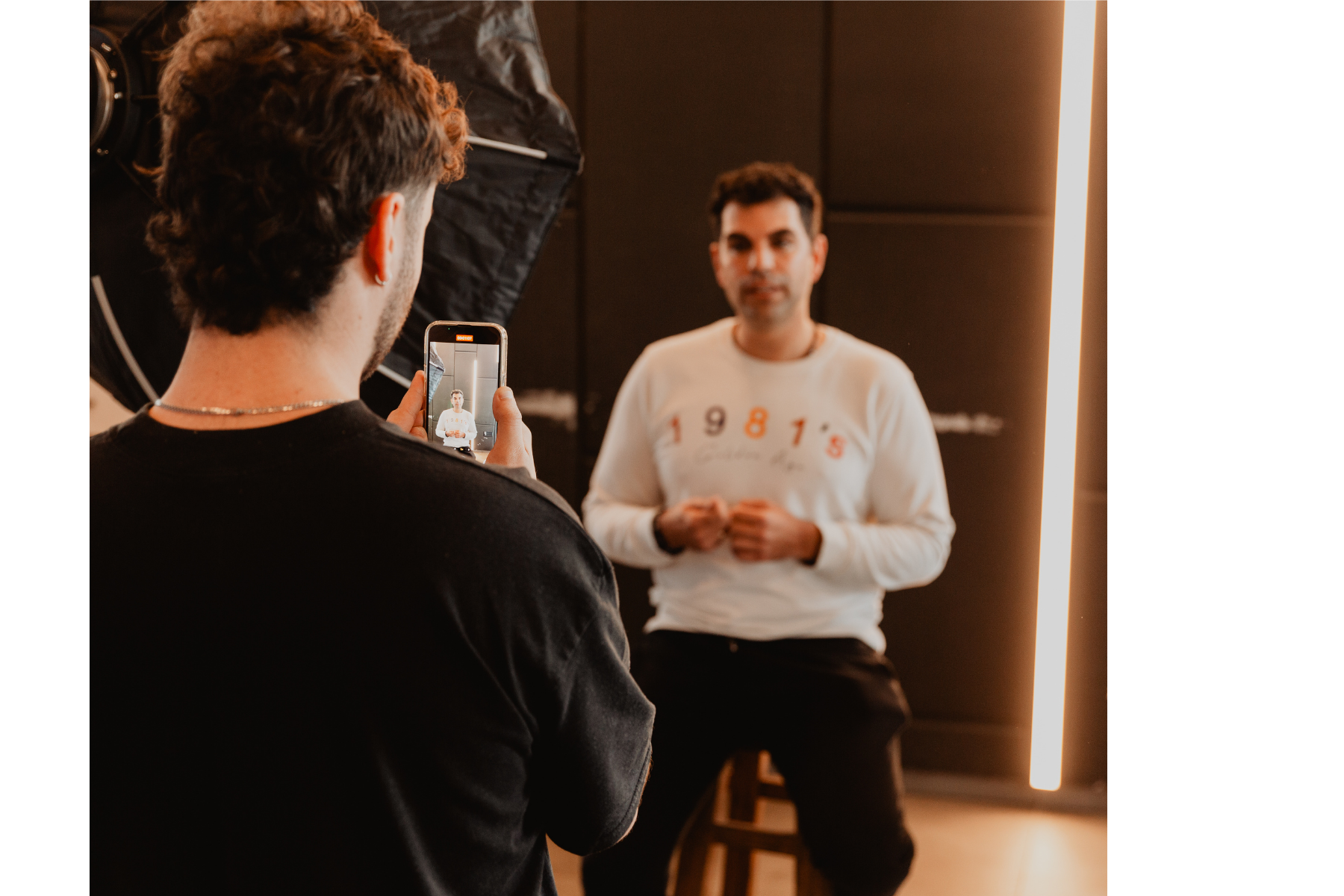
I sat down with her for an in-depth interview to understand how you survive a quarter century at the same organization without turning into a dinosaur, what the mental cost is of moving from development into product, and how experienced job seekers can harness AI to win the game.
She started as the lead of a small team, moved up to building and running a complex global development group that brought millions of dollars into the company, and about 7 years ago made a bold call: to cross over from R&D straight into product management. Marina explains she never had a single moment of boredom or burnout, simply because every few years she made sure to open a new chapter, challenging and completely foreign to the one before it, while leveraging the reputation and organizational credit she'd built up to take risks.
The biggest challenge, she says, was learning to let go of control. Former engineering managers who move into product tend to technologically micromanage and dictate to development teams how to write the code. Marina had to learn to stay in the territory of defining the problem and business needs, and leave solving the problem to the engineers.
This is where her second hat as an executive coach comes in. The tools she brings from the coaching world, active listening, asking powerful questions, empathy, and the ability to filter out background noise, are exactly the soft skills that turn a product manager into a market leader. She acts as a kind of simultaneous translator inside the company, bridging the built-in gap between R&D's technical language and sales' commercial language.
The big mistake in job interviews: experienced candidates with rich backgrounds tend to fall into the "lack of focus" trap. Wanting to impress, they try to cram 15 or 20 years of career into a five-minute monologue. They talk about every project, every technology, and every role they've ever held, which leaves the interviewer feeling overwhelmed, confused, and unsure of the fit for the specific role.
Marina's AI hack for distilling your message: to solve this, Marina recommends a simple but life-changing exercise using an AI tool (like ChatGPT or Claude):
1. Copy the exact job description for the role you're interviewing for.
2. Copy your full resume.
3. Give the AI this prompt: "I'm interviewing for this role. Based on my resume and the job requirements, what are the 3 most relevant achievements or projects from my past that I must highlight in the interview? How can I present them sharply and concisely within 2 minutes?".
The result? The computer clears away all the irrelevant background noise and hands you a precise roadmap for the interview, one that speaks exactly the language and needs of the hiring company.
Marina's first and most important piece of advice is: stop. The most common mistake people in a state of anxiety make is rushing to LinkedIn that very evening, switching their status to Open to Work, and firing off resumes everywhere from a place of defensiveness and distress. The market smells that pressure, and it hurts your brand value. Take two or three weeks. Make room for the emotion, for processing the shock, and understand that your professional identity hasn't been erased.
In the second stage, build a two-track plan:
Track A: map companies and roles where your existing experience is worth gold, while actively upgrading your AI skills and the new technologies of the past year.
Track B (the "hybrid" model): explore options for a second career, consulting, independent projects, or even a move into adjacent industries (like education and academia), where your management knowledge is a huge advantage.
In tennis, as in organizational politics and the world of entrepreneurship, you're going to lose points, games, and sets. The wisdom is mental resilience. A tennis player who drags the frustration of the point they lost half a minute ago into their next serve is doomed to lose the whole match. The secret is the ability to detach the emotion from the past, release the loss within seconds, and focus completely on the next ball coming at you. That's the approach that guides her through every decision point, organizational crisis, or market shift.
Want to hear more insights, get access to senior roles under the radar, and meet people living the "hybrid" model?
Join the "Lost in Y" community on WhatsApp, the place where CEOs, entrepreneurs, and professionals manage their careers together, especially in changing times.
This interview is part of a series of conversations with members of the Lost in Y founders & leaders community.
Want the idea behind these stories? Read portfolio career: what it is, who it fits and how to start.