 Itamar Assaf

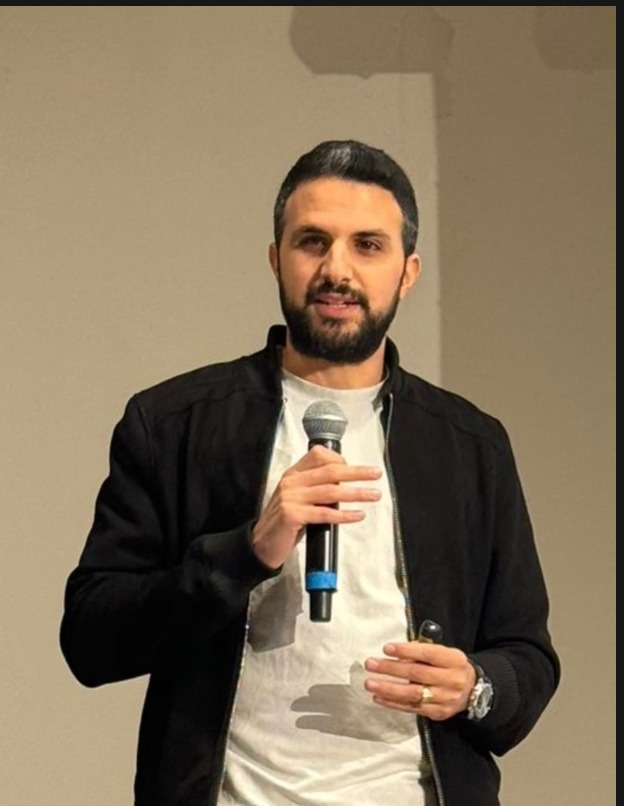
In a world of automated resumes and AI that screens candidates, it's easy to forget that tech, at the end of the day, is made up of people. In a fascinating interview we hosted David Golan, an expert in talent and HR, who in recent years has led TalentNow's activity in Israel on behalf of Insight Partners.
With over 15 years of experience advising dozens of portfolio companies, David brings a grounded, refreshing approach to the industry: bringing calm, precision, and above all humanity into the madness of hiring.
From "networking" to "caring"
Today, people tend to think of networking in terms of conferences, swapping business cards, or cold LinkedIn messages. For David, that whole concept simply goes by the name "caring."
"If you only help people when there's something in it for you, people can feel it. If you're genuinely interested in people over time, even when you have zero immediate interest, that's what builds trust. And trust is the most valuable currency we have."
He applied that approach when he entered the HR community. Without a formal HR degree and without going through the traditional path, he joined the community to learn and share knowledge. His persistence and generosity opened doors he didn't even know existed, and turned him into a key figure running the country's largest HR community.
The biggest mistake startups make in hiring
After advising dozens of startups through the most turbulent periods of Israeli tech, David puts his finger on the central problem in hiring processes:
A clarity problem, not a candidate problem: most companies are convinced they can't find the right people. In practice, the founder, the hiring manager, and the board often expect completely different things from the same role.
Hiring is where the problem surfaces: the problem is actually created much earlier, at the stage of defining the role.
Defining success: a good process starts with simple questions, why are we even hiring for this role? What does success look like six months from now? What gap are we trying to close?
The 40 (and 50) crisis in tech: how do you reinvent yourself?
The tech industry can be brutal toward experienced employees who find themselves out the door after a decade at the same company. David has a clear playbook for handling it:
Breathe, and separate your ego from the logo: a lot of people build their identity around the company they worked for. When the logo goes away, a crisis follows.
Map your personal assets: ask yourself, what relationships did I build? What am I actually good at? What problems do I know how to solve?
A portfolio career: we're moving toward a world where senior professionals won't necessarily look for one full-time role. Consulting, advising companies, board seats, and projects are becoming the new normal.
Compete on experience, not energy: at 50 you don't need to compete with 35-year-olds on work hours. Your edge is in judgment and the ability to make decisions that save a company time and money.
The future of hiring in the age of AI
Will artificial intelligence replace recruiters? David explains that within three years, most of the tactical work around human capital will indeed disappear. That said, the human part becomes more important.
No AI model is going to sit with a founder at 2am agonizing over whether a VP candidate is really the right fit for the company. "AI won't replace recruiters," David sums up, "but it will replace recruiters who don't use AI."
Closing lightning round:
The brightest "red flag" a candidate can wave in an interview: lack of self-awareness, or excessive blame-shifting (not taking responsibility).
The best tip for an entrepreneur hiring their first employee: hire like you're choosing a partner, not an employee.
The first thing you do to clear your head: PlayStation, and quality time with my wife and kids.
If you weren't in the world of talent: I'd probably still be connecting people, they'd just call it something else.
Feel free to connect with David Golan and continue the professional conversation on his LinkedIn.
This interview is part of a series of conversations with members of the Lost in Y founders & leaders community.
More conversations like this one: all interviews and articles from the Lost in Y blog.