 Itamar Assaf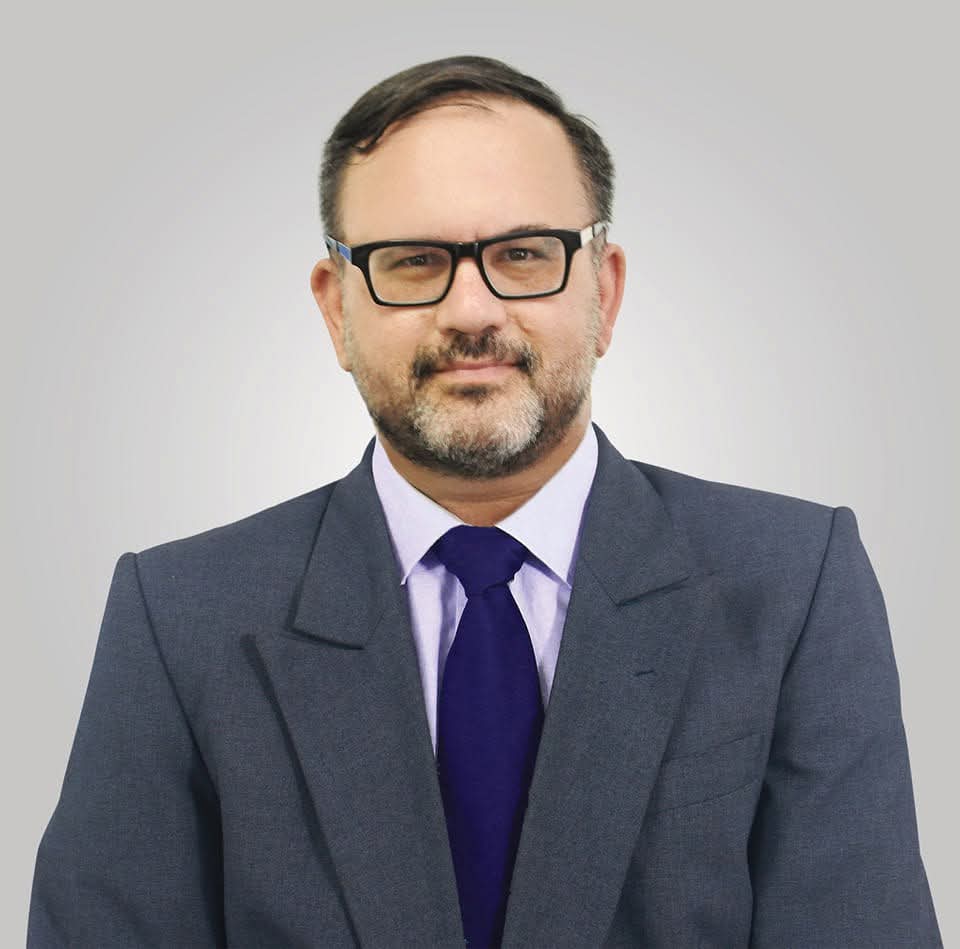
Does good technology really sell itself? According to Davidi Hermelin, founder and CEO of C.P.D.H (Connections and Policies by David Hermelin), the answer is no. "Technology doesn't sign deals, people do," he explains. Davidi brings a rich resume combining political activity, public diplomacy, and work with governments and parliaments around the world. Today, he translates that toolkit into an expertise he calls "corporate diplomacy" - connecting investors, regulators, and international corporations to open doors for Israeli companies.
A Legacy of Quiet Achievement
Just before we dove into business, Davidi spoke about his father, the late attorney Arye Hermelin, who passed away recently. His father fought in the battle for Mount Hermon, was a visionary builder of the Galilee, and one of the key figures behind establishing the Zefat Academic College and the Agamon HaHula reserve. "If there's one thing I take from him, it's understanding that real influence isn't measured in headlines, but in what remains after you're gone. He was a modest man who knew how to solve things that looked impossible," Davidi shares.
Corporate Diplomacy: Reading the Map
The move from the public world to business was born from understanding that many companies believe "a good product sells itself," when in reality international deals rest on trust and interests. "At the end of the day, I'm not selling a product - I'm building the conditions that let deals happen," Davidi explains.
How does political experience serve entrepreneurs? The key lies in understanding the other side's decision-making process and business culture. "You can walk into a meeting with the best technology in the world, but if you don't understand the other side's web of interests, it'll be very hard to move forward. My experience with governments taught me to read the map before I start moving on it."
The shift since October 7: In the current reality, Israeli businesses are dealing not only with business competition, but also with a complex geopolitical reality. Diplomatic skills and trust-building have become a more critical business asset than ever.
Opportunities in a Shifting Global Market
Despite the turbulence in the global market, Davidi remains optimistic. The world is looking today for innovative solutions in fields like AI, renewable energy, health-tech, security, infrastructure, and cyber.
Key markets: Activity today is centered on partners in Europe (from the Balkans to the DACH region, Poland, Romania, and Spain), the Middle East, and Asia. "Whoever understands the local rules of the game can find opportunities even in periods that look complicated from the outside," he notes.
Clearing the bottleneck: Davidi advises companies and often finds that the challenge isn't the product itself, but correctly navigating within the organization: "Who actually makes the decision? Who influences them? Is it right to start with a customer, a regulator, an investor, or a local partner? More than once, a small change in route has opened a door that had been closed for months."
The Illusion of "Networking"
In a world where collecting LinkedIn connections is sometimes mistaken for networking, Davidi stresses that it's something much deeper. "A real network isn't measured by how many contacts you have, but by how many people will agree to pick up the phone for you five years from now." According to him, trust is built through consistency, discretion, and the ability to provide value even when there's no concrete deal on the table right now.
Rapid-Fire With Davidi Hermelin
The biggest mistake an Israeli startup makes in a first meeting abroad: Pitching the product before understanding the person sitting across from them.
The most important lesson about building trust in a foreign culture: First understand - only then try to be heard.
A must-have tech tool for managing your network: Cloud backup for your contact list.
An alternative career: "I'd probably still be involved in public diplomacy and Zionist education. At the end of the day, that's also about connecting people, ideas, and sometimes interests too."