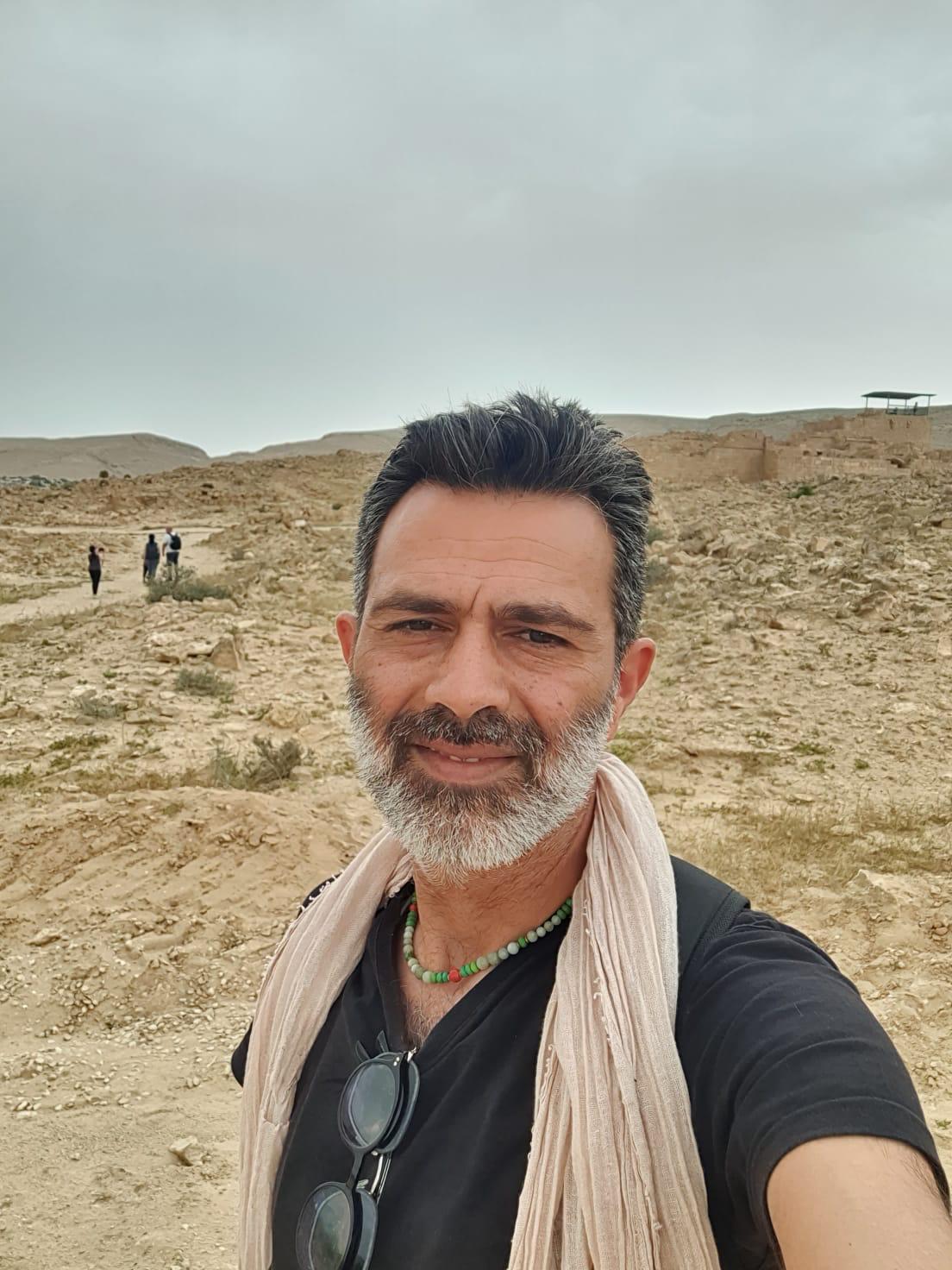
 Itamar Assaf

The market is going through a lot of upheaval right now. I run dozens of conversations a month and see the full picture: people in their 50s who held senior roles getting pushed out, alongside young people coming back from significant reserve duty who can't find their footing in the job market. Between cutbacks, layoffs, and uncertainty, all of us are trying to figure out which way the wind is blowing.
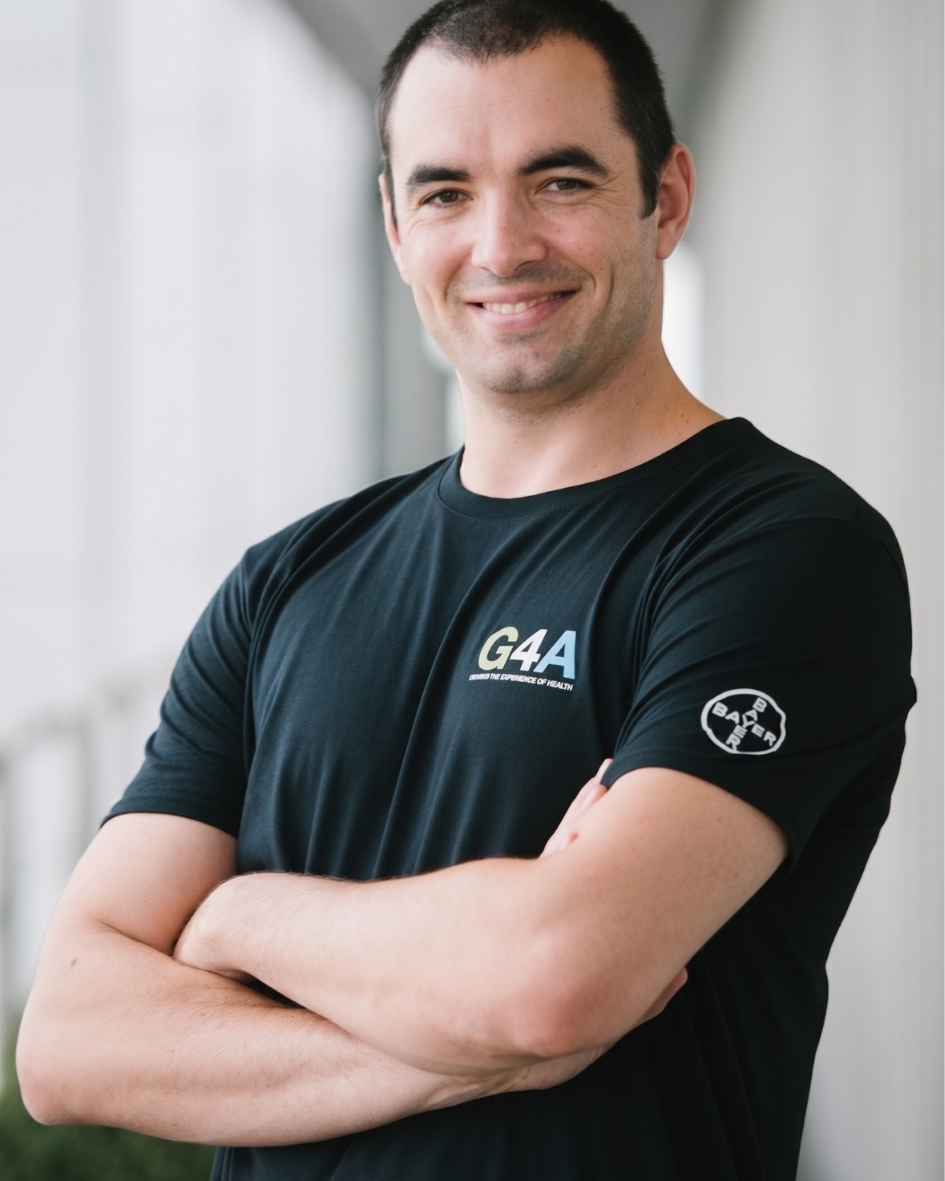
In the middle of all that noise, I recently had a conversation that sorted out my thinking, with Omri Erel. Today he's the CMO of Panorays, but before that he passed through some of the industry's hottest junctions (WalkMe, AppsFlyer, and more). Omri is the kind of person who's watched companies grow from zero to massive scale, but his most fascinating insights aren't about algorithms or go-to-market strategy, they're about psychology, people, and our own mental survival inside this industry.
Here are the 4 strongest insights I took from our conversation, ones relevant to anyone trying to navigate their career today:
1. The myth of the orderly organization, and the magic of "quality chaos"
We look at startups raising millions and assume that inside, everything runs like a Swiss watch. Well, it doesn't. Omri admits it always looks far more organized from the outside than it actually is. In the end, most companies growing at a dizzying pace are mostly chaos.
What keeps that cart from tipping over are the employees who make it up, "uncut diamonds" with insane willpower. These are people who will never say "that's not my job." Interestingly, Omri points to people coming from freelance and independent work as the winning hires. Why? Because someone who was self-employed is used to being responsible for everything: bringing in work, solving problems, and surviving. That's a kind of creativity no degree will ever give you. So if you were self-employed and closed the business, don't hide it on your resume, highlight it.
2. AI makes execution cheap, and humanity expensive
You can't talk about today's job market without mentioning the AI elephant in the room. There's a lot of fear about the moment the machine replaces us, but Omri has a refreshing angle on it: we're entering an era where execution is becoming cheap. Anyone today can produce a campaign, write content, or edit video in seconds.
But that's exactly where the gap opens up, the internet is filling up with noise that sounds "right" but feels completely empty. In the end, people still buy from people. They buy from connection, from a genuine understanding of human pain. AI doesn't sit in customer conversations, doesn't understand organizational politics, and has no intuition. In the coming decade, the most in-demand professionals will be less "tool operators" and more psychologists who know how to create meaning inside a sea of automated text.
3. The hard truth: tech isn't for everyone
The number of messages I get from people who want to "transition into tech" is staggering. But right before you get dazzled by the salaries (which really can be double what other sectors pay), you have to look reality in the eye.
Omri described it as honestly as it gets: tech can be a "golden cage." A lot of people find themselves, after a few years, earning great money, but exhausted, burned out, and disconnected from themselves. The pressure is constant, uncertainty is part of daily life. If you go in only for the money, you'll burn out fast. Sometimes it's worth earning a bit less, and staying mentally balanced instead of paying for it with your health.
4. Find your "eye of the storm"
How do you manage an intense life, raise a family, and survive midlife crises without losing yourself? Not by building a sterile, stress-free life, because no such life exists. The goal is to find your "eye of the storm."
That means creating a stable inner place for yourself where your mind isn't consuming endless stimulation. For Omri that's guitar, for someone else it's sports or disconnecting from the phone. There's something very calming about realizing you can't actually control everything, and that it's genuinely fine not to solve all of life right now.
At the end of the day, the world's most advanced systems still rest on human beings. Our job is to make sure we don't lose ourselves on the way up. What's your "eye of the storm" inside the madness of daily life? I'd love to hear from you in the comments below or on WhatsApp.
This interview is part of a series of conversations with members of the Lost in Y founders & leaders community.
More conversations like this one: all interviews and articles from the Lost in Y blog.